—
Shaping the American Landscape
The American landscape has long captivated artists, inspiring art movements that reflect and shape national identity. In the nineteenth century, Hudson River School painters celebrated the wonders of nature. Their romantic depictions embrace the promise of westward expansion while also revealing the contradictions of Manifest Destiny, the belief that the United States was divinely destined to spread across the continent, often at the expense of Indigenous peoples and the environment.
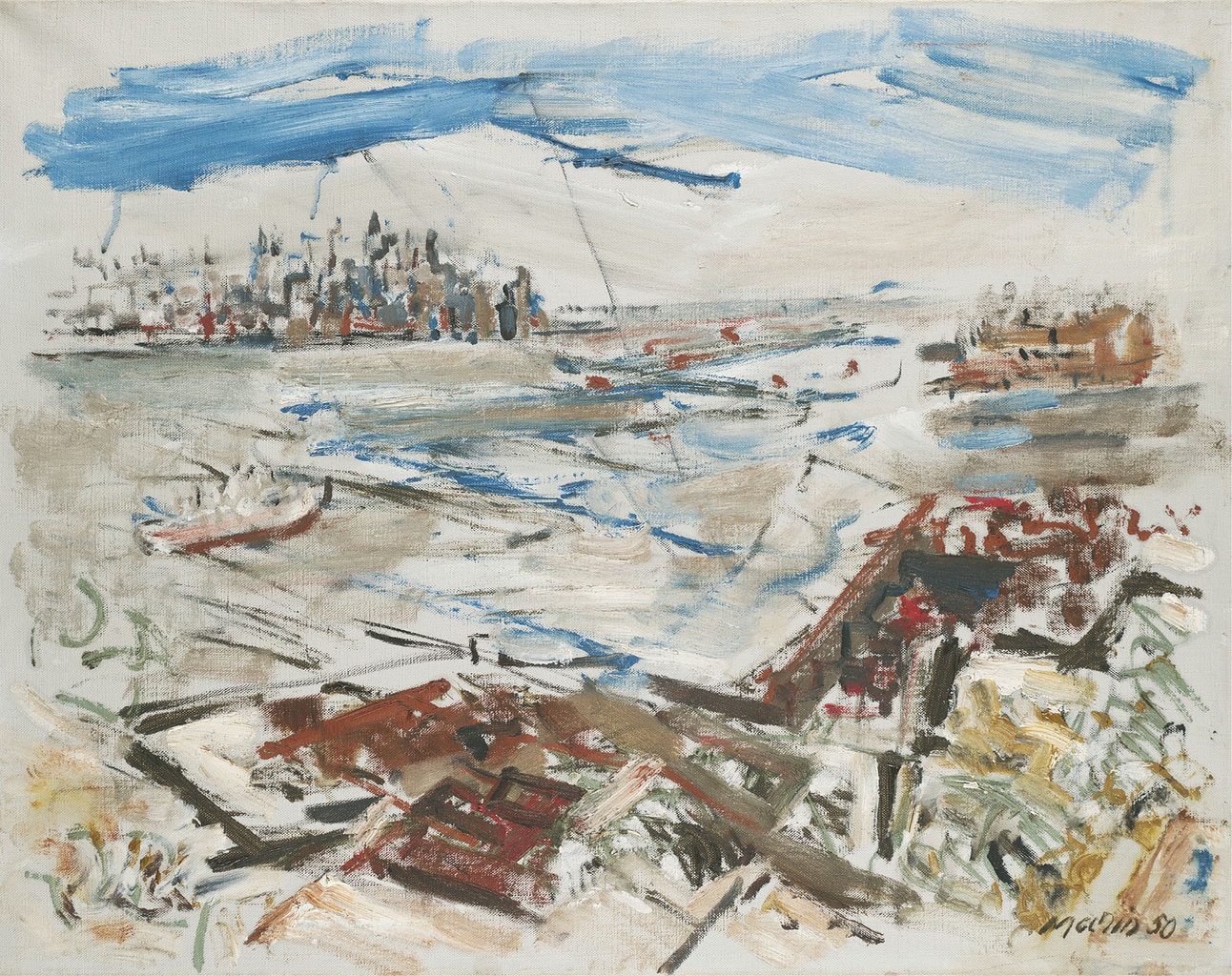
After the Civil War, Tonalism emerged, favoring mood, subtle color, and quiet introspection over earlier grandeur. By the late nineteenth century, French Impressionism influenced American artists who adapted its vibrant brushwork and modern views to local subjects. In the twentieth century, American artists continued to engage with international developments while forging new modernist directions, moving toward abstraction and experimentation.
This exhibition presents leading artists from these pivotal movements through exceptional loans from The American Art Collection of J. Jeffrey and Ann Marie Fox and the National Academy of Design in dialogue with works from The Westmoreland’s collection.